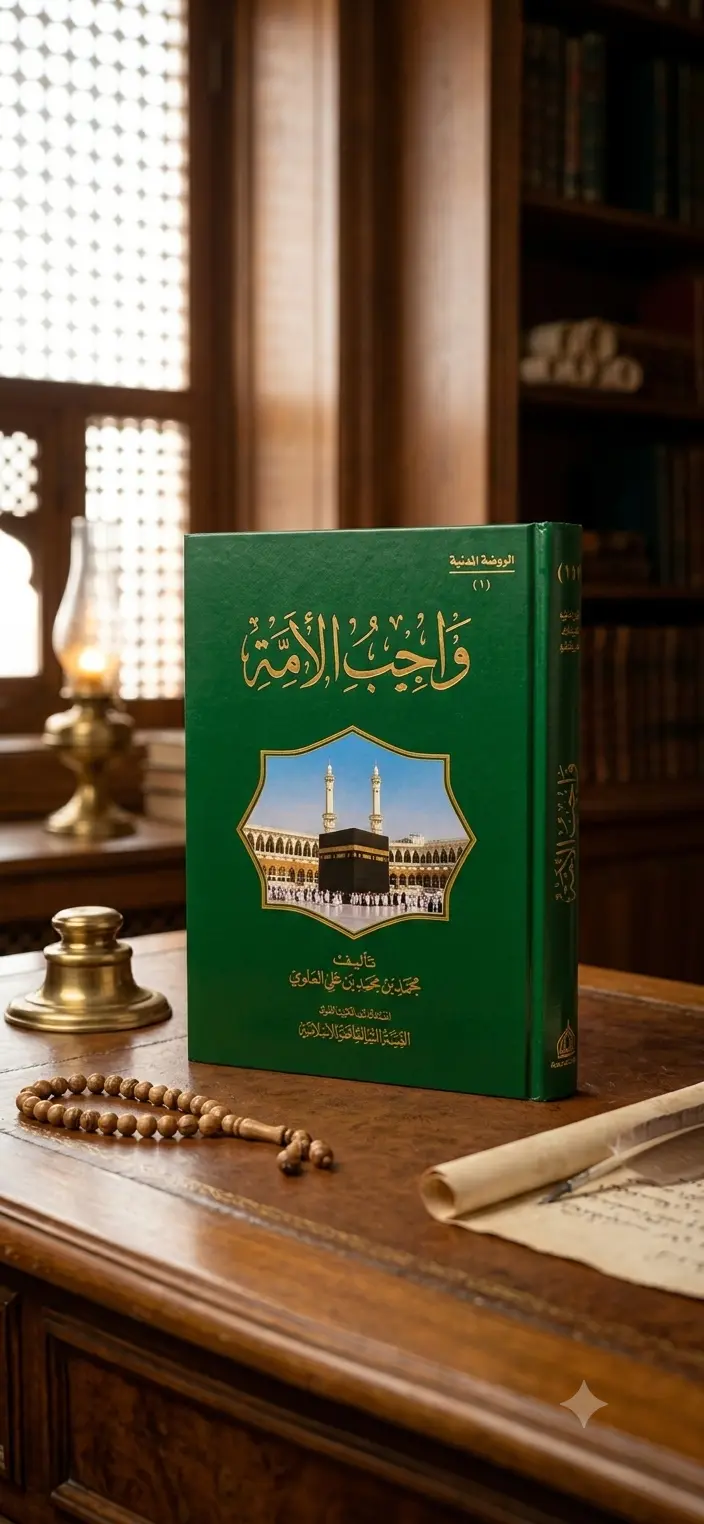
Prepare the month
Choose an appropriate book, divide its sections, and reserve a realistic twenty minutes. Define what you hope to understand rather than an impressive page target.
Days 1–3
Survey the contents, introduction, and vocabulary. Write three guiding questions so you can see the work's architecture.
Days 4–10
Read one small unit daily. Record a central idea, a term, and a question. Use day seven for review rather than new pages.
Days 11–17
Continue steadily and connect each section to the last. Reduce quantity or seek guidance if difficulty rises.
Days 18–23
Explain your understanding aloud. Locate confusion and return to the exact passage instead of restarting the whole book.
Days 24–27
Finish the planned sections or stop at a coherent boundary. Success does not require forcing a book into an artificial deadline.
Days 28–30
Write a one-page synthesis, three open questions, and one next step. Verify the summary against the text.
After the program
Choose whether to review, continue, or add a complementary work. Consolidate before automatically beginning another challenge.
Days 1–7: establish your starting point
Choose a book you already have and a short session you can realistically sustain. On day one, inspect the contents and choose a reading question. On days two through six, read a small section and write one sentence explaining it instead of copying the page. On day seven, close the book and explain three ideas in your own words. Unclear passages become questions rather than a reason to change books immediately. Assess meaning retained, not a page-count record.
Days 8–21: clarify and apply
During week two, keep the same time slot and add a check: which word, distinction or argument did you misunderstand? Return to the exact passage and record how your explanation changes. During week three, choose an activity suited to the genre: put a narrative in order, define a term or compare explanations. Religious reading does not automatically become a rule to impose on others. Separate what the text says, your understanding and questions requiring a teacher.
Days 22–30: test a routine that can last
Deliberately shorten a session on a busy day to see whether your routine survives real life. After a missed day, resume at the next passage without doubling the workload. On days twenty-eight and twenty-nine, review only your notes and try a one-page summary. On day thirty, decide whether to continue, revisit a section or choose a new goal. This is an organizational suggestion, not a promise of religious mastery in a month. Keep it adjustable to your responsibilities, comprehension and need for guided study.